Takeaways
- There are 4 main blood glucose level tests: the hemoglobin A1C test, fasting blood sugar test, oral glucose tolerance test, and random blood sugar test.
- Universal ideal blood sugar level ranges don’t exist. Instead, they can vary depending on factors like the type of test used, the time of detection, and the presence of underlying health conditions (e.g., pregnancy or diabetes).
- Frequently monitoring your blood sugar levels may prevent the development of serious health issues.
- A continuous glucose monitor (CGM) could thus be a valuable tool in helping you optimize your glucose curve—and, in turn, overall wellbeing.
Maintaining an ideal blood sugar level range is crucial to reducing the risk of diabetes and heart disease. Singapore’s National Health Screening Programme experts recommend that healthy people should get their blood glucose levels tested once every 3 years (1).
That said, you might need more frequent tests if you are at higher risk of developing type 2 diabetes. You can try out the evidenced-based Diabetes Risk Assessment tool here to determine your risk, which increases especially when you have one or more of the following risks factors (2):
- A family history of diabetes
- Use of certain medicines that can cause blood sugar spikes
- Obesity
- Sedentary lifestyle
- History of diabetes during pregnancy (gestational diabetes)
How Do You Find Out About Your Blood Sugar Level?
There are several ways to check your blood glucose level.
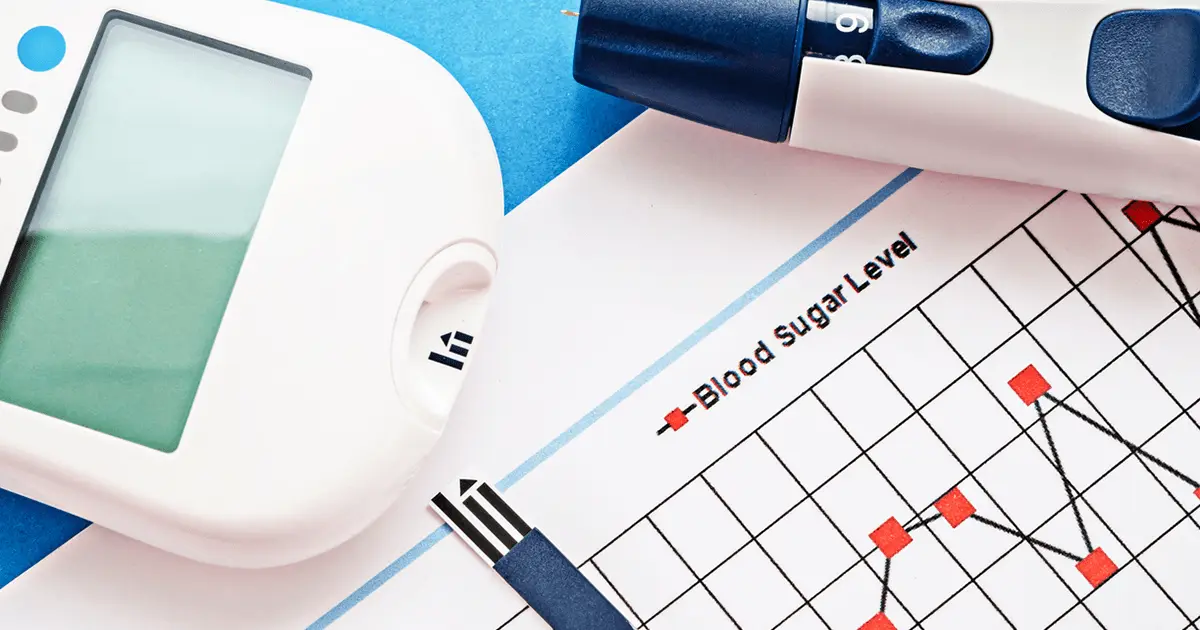
The following tests may be used, according to the Centers for Disease Control and Prevention (CDC) (3):
HbA1C Test
This test (also called the hemoglobin A1C or A1c test) measures your average blood glucose level over the last 2 to 3 months. The test—carried out in a doctor’s clinic or a lab—uses a blood sample obtained from a finger prick or from a vein.
Fasting Blood Glucose Test (FBG)
This measures your blood glucose level after an overnight fast. Like the A1C test, it uses a blood sample obtained from a finger prick. However, your healthcare provider may sometimes use a needle to draw blood from a vein in your arm for a more accurate sample. Avoid eating or drinking (except water) for 8 to 12 hours before the test.
Oral Glucose Tolerance Test (OGTT)
This test measures your blood sugar 2 to 3 times: first, after an overnight fast, and second and third times, 1 to 3 hours after you drink a sugary liquid.
Random Blood Glucose Test (RBG)
As its name suggests, this test measures your blood sugar at a random time. It is also known as casual testing.

Looking for a comprehensive health screening beyond blood tests for a healthier, happier life? Click here to learn more.
These tests help detect abnormalities in blood sugar as a result of genetics, diet, exercise, medicines, or diseases that impair glucose metabolism.
Of all the factors listed above, your diet is arguably the most crucial factor in diabetes control. To that end, NOVI’s Diabetes Specialists and Dietitians have written an eBook packed with valuable, applicable tips on the everyday changes you could make to your diet for better sugar control. Check it out here.
What Is the Ideal Blood Sugar Level Range?
The normal blood sugar level range varies depending on the type of test, the time of detection, and health conditions, such as pregnancy.
In Singapore, the ideal blood sugar level range for people without diabetes is (4, 5):
| Test | Ideal Blood Sugar Level Range in Singapore |
|---|---|
| HbA1C | < 6.0% |
| Fasting Blood Glucose | < 6 mmol/L (100 mg/dL) |
| Oral Glucose Tolerance (2 hours after sugar intake) | < 7.8 mmol/L (140 mg/dL) |
Why Is Tracking Your Blood Sugar Level Crucial to Your Health?
“Both too much and too little sugar in the blood can have negative consequences.”
Glucose—the main sugar in the blood—is your body’s primary source of energy. Your body uses glucose to provide nutrients to your organs, muscles, and nervous system.
Nonetheless, too much sugar in the blood (hyperglycemia) for prolonged periods can cause serious health issues. These include a higher risk of heart disease, stroke, kidney disease, vision problems, and nerve damage.

Likewise, low blood sugar (hypoglycemia) as a result of a medical condition or medications can be dangerous, resulting in (6):
- Excessive sweating
- Pounding heartbeat
- Problems with memory, thinking, and decision-making
- Seizures
- Coma
- Death
Do I Have Diabetes if My Blood Sugar Level Is High?
Diabetes occurs when your pancreas produces insufficient insulin (a hormone that helps move sugar from the blood into the cells), or your cells fail to use insulin as well as they normally should.
Occasional sugar spikes do not always mean you have diabetes or prediabetes. In prediabetes, you have an elevated blood glucose level but not high enough to be diagnosed as diabetes.
That said, if you have frequent spikes, you should talk with your doctor. Then, your doctor will assess your risk factors and order a test to measure your blood glucose level. A blood sugar test is the only way to confirm diabetes (7).
| Test | Blood Sugar Level | Result |
|---|---|---|
| HbA1C | 6.1% to 6.9% | Recommended to do Fasting Blood Glucose Test (FBG)/ Oral Glucose Tolerance Test (OGTT) for further diagnosis |
| 7% or higher | Diabetes | |
| Fasting Blood Glucose | 6.1 to 6.9 mmol/L (110 to 125 mg/dL) | Prediabetes (Impaired fasting glycemia) |
| 7.0 mmol/L (126 mg/dL) or higher | Diabetes | |
| Oral Glucose Tolerance (2 hours after sugar intake) | 7.8 to 11.0 mmol/L (140 to 199 mg/dL) | Prediabetes (Impaired glucose tolerance) |
| 11.1 mmol/L (200 mg/dL) or higher | Diabetes |
How Can a Continuous Glucose Monitor (CGM) Help You Maintain a Healthy Blood Sugar Level Range?
Everyone’s blood sugar level fluctuates throughout the day. For example, you will likely have a blood sugar spike immediately after you drink a can of soda. Likewise, drops in the blood glucose level are common during or post-exercise.
Monitoring such fluctuations using a continuous glucose monitor (CGM) allows you to understand how your body responds to food and physical activity. Thus, a CGM can be a valuable tool in helping you optimize your diet and activity level for better sugar control and better health
Deciding between a continuous glucose monitor and a glucometer? Click here to learn more about the differences between the two options.
A CGM may also help with the early detection of diabetes or borderline diabetes (prediabetes). As with most diseases, early detection and intervention dramatically reduce the risk of complications.
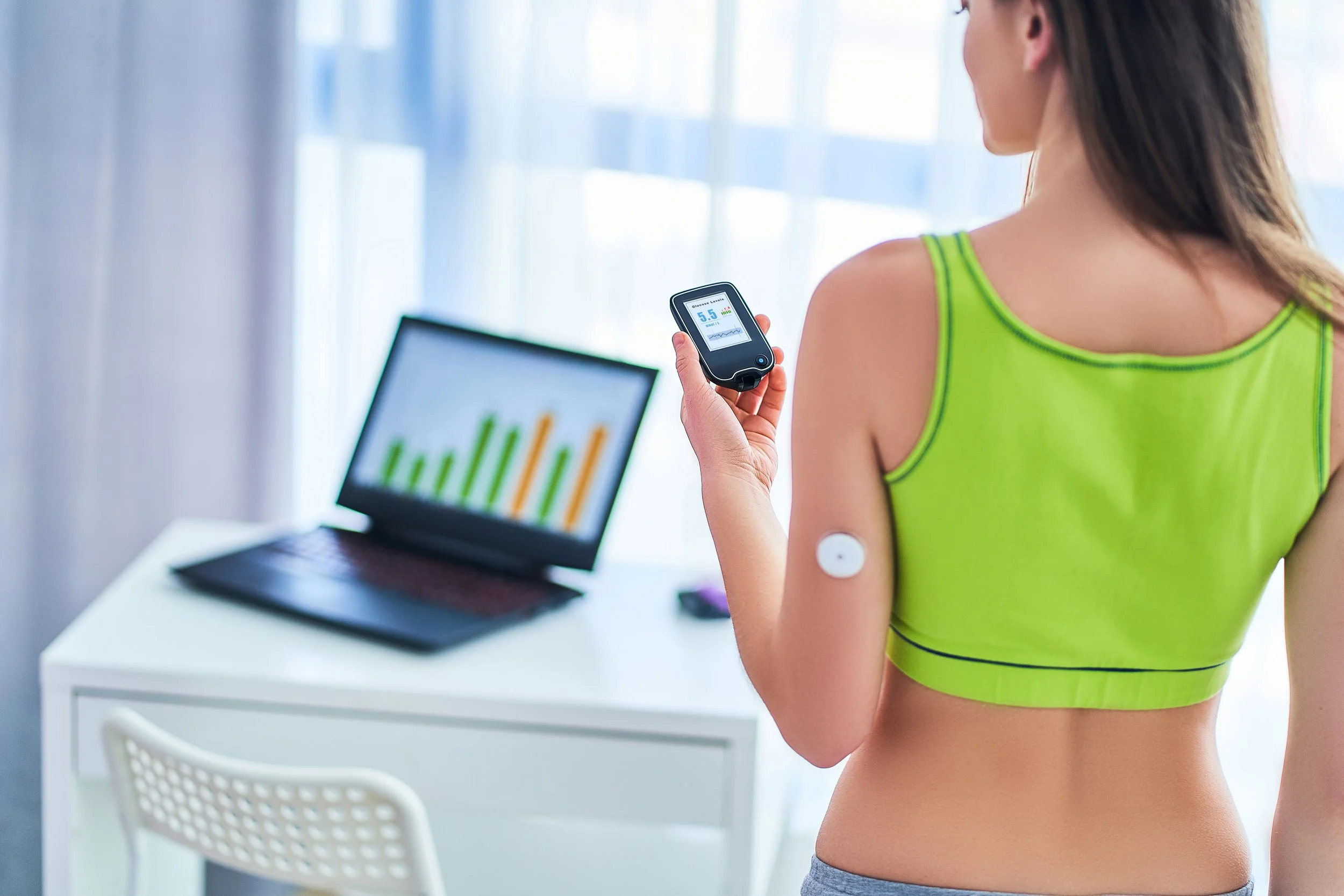
Interested in improving your glucose levels for better health? Purchase a continuous glucose sensor and see your glucose in real-time.
Or you may want to learn more about NOVI Diabetes Care, our diabetes management program that includes a doctor consultation, dietitian consultation, a blood test (HbA1c), a glucose monitor (CGM), and 1 month digital coaching.