
Takeaways
- Normal blood glucose levels serve as reference points to determine if an individual is normal, has prediabetes, or has diabetes.
- Normal fasting blood glucose levels: below 6.1 mmol/L (120 mg/dL); normal 2-hour post meal glucose levels: below 7.8 mmol/L (140 mg/dL).
- Fasting blood glucose levels increases—even within normal limits—have been linked with a higher risk of diabetes and heart disease complications.
- NOVI thus proposes more stringent target levels known as “optimal” glucose levels.
- Optimal fasting blood glucose levels: 3.3 to 5 mmol/L (60 to 90 mg/dL); optimal post meal glucose peak: below 6.1 mmol/L (110 mg/dL); with a maximum of 1.5 mmol/L (30 mg/dL) increase in glucose levels post-meal.
- A CGM may help you prevent large blood sugar spikes and dips—reducing your risk of health complications and improving your wellbeing.
The importance of nutrition to health and fitness can not be understated. That is why the adage, “You are what you eat,” is still prevalent today. But while what you eat is important, how your body reacts is even more so. And if you are looking to optimize your fitness, it is an aspect you can not ignore.
The blood glucose level measures food’s effect on the body. In other words, what you eat manifests as glucose in your blood which is a crucial nutrient that every essential organ (in particular your brain) uses for energy.
In healthy individuals without diabetes, the body regulates blood sugar within a very narrow ‘normal’ range. But while there are normal glucose levels for general health, an optimal level can enable you to take your fitness to the next level.
In this article, we explore this further.
What Are Normal Glucose Levels?
Normal blood glucose level refers to the blood sugar quantity in the majority (95%) of healthy individuals. For context, doctors use these cut off values to determine if an individual has diabetes. For instance, fasting blood glucose (FBG) is a routinely tested parameter. It refers to blood glucose levels when you have not consumed any calories for at least 8 hours.
Normal levels are essential because they serve as reference points for diagnosing diseases such as diabetes. For example, healthcare practitioners can classify individuals as normal, prediabetes, or diabetic based on fasting glucose levels. An FBG level of 6.1 mmol/L (110 mg/dL) and above is abnormal.
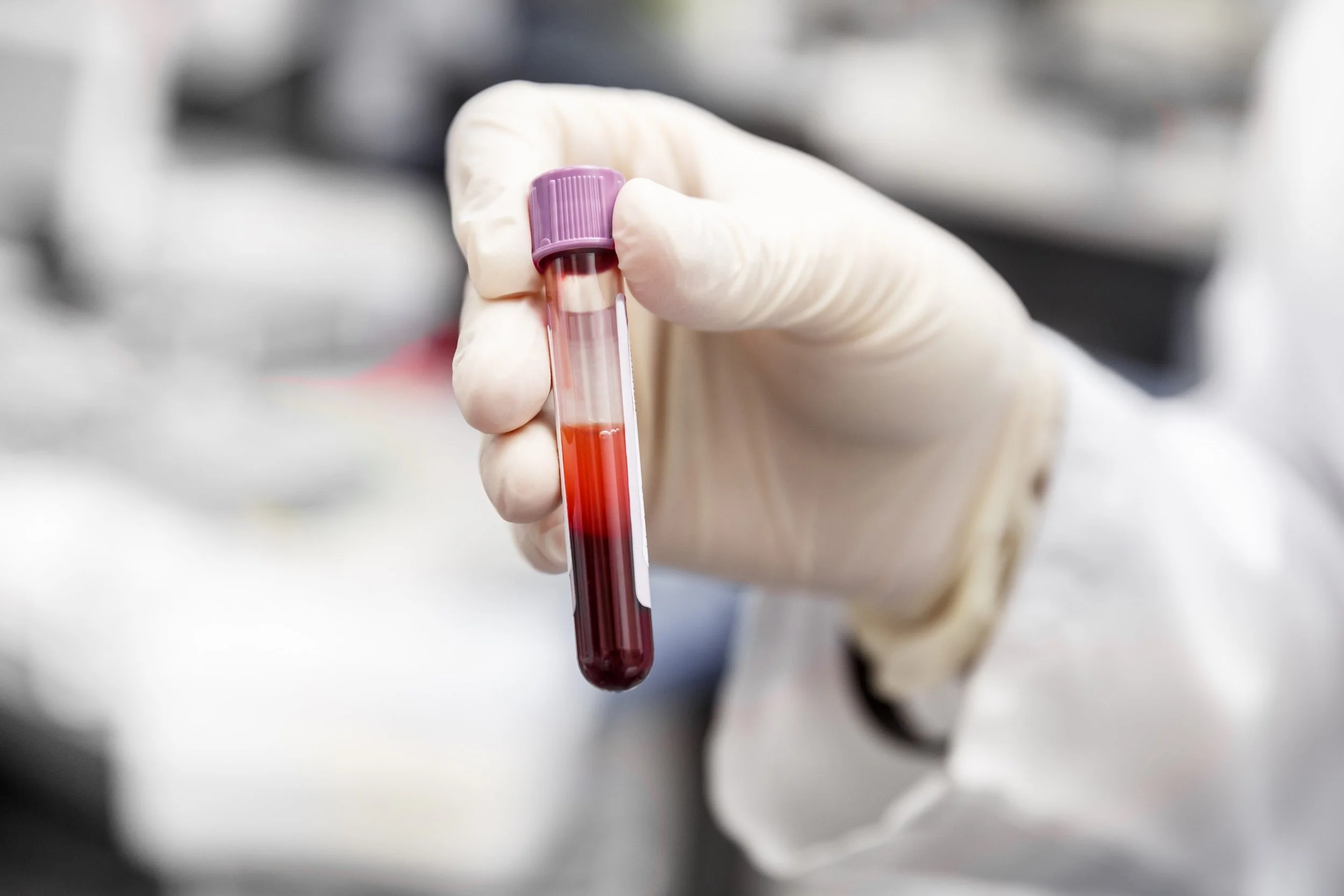
Post-meal sugar levels are also important. Glucose levels should not rise too steeply following meals in normal healthy individuals. If they do, this may predispose you to various health complications such as cardiovascular disease and obesity. Furthermore, some studies show that increases in blood sugar levels are associated with increased inflammation and even cancer. The International Diabetes Federation considers post-meal sugar levels below 7.8 mmol/L (140 mg/dL) — that return to baselines levels within 2-3 hours — to be normal.
Table 1: Reference ranges for fasting and post-meal blood glucose levels
| Fasting Blood Glucose Levels | 2-hr Post Meal Glucose Levels | |
|---|---|---|
| Normal | <6.1 mmol/L (<110 mg/dL) | <7.8 mmol/L (140 mg/dL) |
| Pre-diabetes | 6.1 to 6.9 mmol/L (110 to 125 mg/dL) | 7.8 to 11 mmol/L (140 to 200 mg/dL) |
| Diabetes | ≥7.0 mmol/L (≥125 mg/dL) | ≥11.1 mmol/L (≥200 mg/dL) |
If my blood sugar is within the normal range, I have nothing to worry about right?
It’s vital to understand that ‘normal’ does not necessarily mean optimal. The glucose cut-offs we have discussed earlier were used as cut-offs for diagnosis of diabetes, and thus are the upper limits of normal. Studies in healthy populations (i.e. individuals without diabetes) show that the average glucose levels assessed by Continuous Glucose Monitoring (CGM) sensors are lower than the targets set by most guidelines, and that increases in fasting blood glucose levels — even within normal limits — can increase the risk of diabetes and heart disease complications. Hence it may be beneficial to aim for more stringent glucose control targets, especially for healthy individuals who are striving for better metabolic health.
How do I know if my Glucose Levels are Optimal?
You can screen by undergoing routine fasting blood sugar testing such as the Fasting Blood Glucose (FBG) or the three-month average (HbA1c) to obtain a snapshot into your blood sugar profile. However, it does not — and cannot — track the continuous variations in your sugar levels throughout the day. Without this data, identifying your day-to-day variations in blood glucose levels is difficult.
Luckily, the solution is straightforward: Continuous glucose monitoring (CGM).
What is CGM, and How Can it Help?
CGMs enable individuals to track their blood glucose levels throughout the day. This provides more significant insights into important trends associated with blood glucose, instead of just evaluating at 1 point in time (fasting). One important trend is glycemic variability.

Glycemic variability refers to the spikes and dips in your blood glucose levels over 24 hours. Sugar levels fluctuate with the time of day or eating or exercising. These are important because studies link large variations in sugar levels with higher risk of cardiovascular, kidney disease, and even mortality. Other research shows that keeping sugar levels within a narrow range may be more important than avoiding high glucose levels.
By identifying trends in your glycemic variation, CGM enables you to have more insight in how your diet and exercise affects your blood glucose levels, and work towards controlling blood glucose within a narrower and healthier range.
Your healthcare provider can use this information to recommend changes to your dietary and exercise regimens that fit your body’s individual response and specific lifestyle needs and constraints, in order to improve your blood glucose control.
What is a good CGM glucose target range to aim for?
There are no formal guidelines recommending CGM Time In Range targets and blood glucose cut-offs for healthy adults without diabetes. However, there are observational studies that look at the glucose ranges that normal adult populations have, which can serve as recommended values.
Table 2: Proposed CGM Time In Range for adults
| Glucose Range | Time In Range | |
|---|---|---|
| CGM Glucose target range for healthy adults | 3.9 to 7.8 mmol/L (70 to 140 mg/dL) | Aim for > 95% of the time (Study shows that even with “normal” blood sugar levels, lesser time at lower sugar levels <7.8 mmol/L (140 mg/dL) is associated with more unfavorable health parameters and higher risk of developing metabolic disease.) |
| CGM Glucose target range for adults living with Diabetes | 3.9 to 10 mmol/L (70 to 180 mg/dL) | Aim for > 70% of the time |