Blood Sugar Management
Explore the science behind blood sugar, understand common glucose-related concerns and find answers to questions about managing your metabolic health.

Prediabetes: The Window of Opportunity Most People Miss
Prediabetes has no symptoms, yet about one in three people with it will develop type 2 diabetes within eight years. Here is how to find out and what works.

Diabetes and Alcohol Use 101: What’s Safe? (How Much to Drink)
Alcohol consumption isn’t a causal factor for T1DM and gestational diabetes. However, it may play a contributing role in the development of T2DM.

Diabetes-friendly Breakfast Options
Controlling blood glucose, especially in the morning, can be a challenging task for people living with diabetes. The first meal of the day is important, as the stomach is empty after a night's rest, and the body becomes particularly sensitive to foods that can lead to spikes in blood sugar levels.
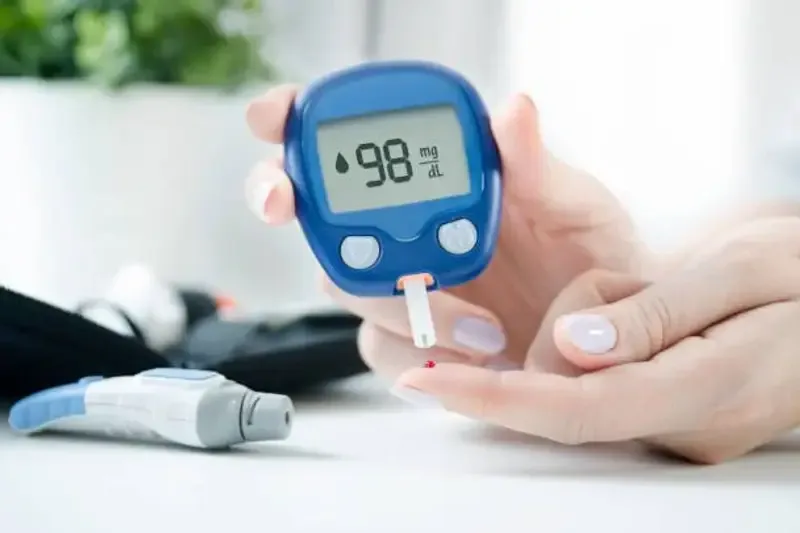
What Are Normal Blood Sugar Levels in Diabetes?
Find out about the blood sugar level ranges for someone with and without diabetes. Learn how you can measure and the causes of blood sugar level changes.

Diabetes Success Story - Getting Diabetes in Remission in 9 Months
Mr Png Yeong Siang shares his story of getting diabetes into remission in 9 months through a combination of medical treatment and lifestyle modification.

Diabetes Doesn’t Start with High Blood Sugar: Rethinking Prevention
Type 2 diabetes begins years before a blood sugar test turns abnormal. Learn what happens first, why Asians are affected sooner, and how to act early.

Why Blood Sugar Monitoring Matters Even if You Don't Have Diabetes
You don't need diabetes to benefit from understanding your glucose responses — what your blood sugar does between meals shapes your energy, focus and long-term metabolic health.

Why Prevention Needs a New Playbook
Behind every diagnosis of diabetes are many more people living with insulin resistance, elevated blood sugar after meals, excess visceral fat, fatty liver disease, or other early metabolic abnormalities that have yet to cross the diagnostic threshold. Waiting until disease develops before starting…

What is Continuous Care? Why Better Health Takes More Than a Single Appointment
Continuous care is a healthcare approach that focuses on ongoing support rather than one-off interactions. Rather than addressing health problems only when they arise, continuous care involves monitoring your health over time, understanding changes as they happen, and helping you make adjustments t…
What is glucagon-like peptide-1 (GLP-1)?
GLP-1 receptor agonists work by mimicking a natural hormone your body already makes — here's what that means for appetite, glucose, and weight.

Why Personalized Care Is the Missing Piece in Modern Healthcare
The way you live your life, including the way you spend your time, your eating habits, your level of stress, among other things, are all going to be different from the next person. That’s exactly why so many people struggle to follow through, even when they want to get healthier. That's where perso…

Smart holiday eating
You can have an enjoyable holiday experience and maintain both your healthy weight and blood sugar levels. Consider this approach to be one of celebrating and enjoying, rather than one of deprivation.

Easy Workday Habits That Support Glucose Control
You don’t need a major lifestyle overhaul to improve your blood sugar control. Sometimes, the small, consistent habits make a big difference.

Why Glucose and Insulin Tests Matter
Many workplaces include regular screening blood tests as part of an annual checkup. This helps to detect potential signs of health concerns at an earlier stage, when they’re easier to treat. In some cases, it’s even possible to take action to prevent a major health condition from developing.

The Dawn Phenomenon: Why Your Morning Blood Sugar is High Even Without Eating
The dawn phenomenon is a natural early-morning rise in blood sugar caused by natural hormonal changes that prepare your body to wake up.

What is Insulin & Fasting Insulin?
Insulin is a hormone that’s crucial for regulating blood sugar levels. The pancreas releases insulin in response to a rise in blood sugar levels, which usually occurs after eating.

Dexcom G7 vs Freestyle Libre vs BUZUD CGM 2.0: Which is the Right CGM for You?
Dexcom G7 vs Freestyle Libre vs Buzud: Which Is the Right CGM for You?: in this head-to-head review, we pit the 3 against each other, helping you select the right continuous glucose monitor for you.

Maintaining a Healthy Pregnancy with Gestational Diabetes Using Continuous Glucose Monitors (CGMs)
For women with gestational diabetes, it’s important to closely monitor your blood sugar. It’s recommended that blood glucose levels be tested regularly. A fasting blood glucose level should be checked each morning, and the level should also be checked one to two hours after eating. Treatment will f…

Additional Insights from Continuous Glucose Monitors (CGMs)
The true power of a CGM lies beyond just numbers on a graph. It’s about what those numbers can tell you about your lifestyle, diet, exercise, and metabolic health.

How Monitoring Your Glucose Can Help You Stay Energized
CGMs help track blood sugar fluctuations, allowing you to optimize diet, exercise, and lifestyle choices for steady energy.

The Accuracy of CGMs
CGMs have changed diabetes management by eliminating the need for frequent finger pricks and providing continuous glucose monitoring.

Does the Order of Food You Eat Matter for Blood Glucose Control?
Food sequencing—eating high-GI foods last—produces gentler post-meal glucose elevation in people with and without diabetes, but its benefits don't appear to last beyond the immediate postprandial period.

How CGMs Can Help Identify Symptoms of Blood Sugar Imbalances
Blood sugar imbalances can affect your energy levels, mood, metabolism, and overall health. If you are experiencing fatigue, dizziness, brain fog, or cravings, these symptoms may be linked to fluctuations in glucose levels.

How 10-Minute Workouts Lead to Big Health Benefits
You don't need an hour at the gym. Ten minutes of movement a day improves blood sugar control, heart health and mood — and NOVI's follow-along workouts make it easy to start.

How to Stay on Track with Your Diabetes Goals During the Chinese New Year Festivities
Staying on track with your diabetes goals is absolutely possible with a little planning and mindfulness.

Diabetes Management in Singapore 2025: A Complete Guide
Learn how diabetes is treated in Singapore in 2023. Covering testing, diagnosis, monitoring, medication, and pricing for all aspects of type 1 and 2 diabetes care.Compare pricing for various diabetes medications in Singapore, as well as fees for doctor consultations.

How long does it take for GLP-1 RAs (Semaglutide & Tirzepatide) to work?
It takes about 8 to 12 weeks of treatment with a GLP-1 RA to start seeing the full effect. The starting dose of these medications is low, to allow the body time to adjust. This helps to minimize side effects. The dose is usually increased after 4 weeks.

Be careful of impure, compounded versions of GLP-1 RAs that are circulating in the market
Just recently, the US Food and Drug Administration (FDA) has recently issued a warning about counterfeit and compounded versions of GLP-1 RAs.

What Are The Side Effects Of Semaglutide And What Can You Do To Relieve Them?
Semaglutide is a relatively new type of diabetes medication, which was approved for use in Singapore in 2021. This new treatment option has been shown to…

What are the side effects of Semaglutide, Liraglutide, Dulaglutide, Tirzepatide and other GLP1-RAs, and what can you do to relieve them?
Semaglutide (e.g. Ozempic, Rybelsus, Wegovy) is used for diabetes treatment and weight loss. Learn about their side effects and how they can be managed.

How to Spend the Chinese New Year Holidays if you’re on GLP-1 RAs
Chinese New Year means that there will be a lot of food and drinks. Although pausing your GLP-1 RA treatment may seem like a good way for you to enjoy the festivities, it is not recommended. Consult with your doctor if you intend to do so.

How to have a better diet for diabetes - 7 Key dietary principles to follow
There is no single 'diabetes diet'—but a variety of dietary approaches can help manage type 2 diabetes as long as meals consist largely of whole, minimally processed foods while limiting sugar and saturated fat.

Weight Loss myths that may be impacting your weight loss journey
Believing in common nutrition myths can prevent you from achieving your health and wellness goals.

The Sleep-Sugar Connection: Staying Healthy Over the Holidays
Sleep helps regulate a number of physiological systems, including glucose metabolism. Poor sleep can exacerbate insulin resistance, impair glucose tolerance, and lead to elevated blood glucose levels.

Holiday Stress Management and its Impact on Blood Sugar Levels
For individuals with diabetes, the holiday stress can significantly impact blood sugar levels. Holiday stress can impact diabetes management in various ways, including disrupted eating routine, lack of physical activity, and lack of self care.

Are You at Risk of Type 2 Diabetes Without Knowing It?
Young, working adults in Singapore and Southeast Asia are quietly developing insulin resistance driven by modern workplace habits like prolonged sitting, high stress, and irregular meals—conditions that can lead to prediabetes and Type 2 diabetes even in those who appear healthy.

Are You Really Managing Your Diabetes Well? Survey Reveals Gaps Between Perception and Reality
With over 400,000 Singaporeans living with diabetes, managing this chronic condition is a significant public health challenge. Yet, a Channel News Asia article revealed that a recent YouGov survey commissioned by Abbott highlights a concerning gap between perceived and actual management of diabetes…

Singapore’s “War on Diabetes”: What else can be done?

Finding Balance for a Healthier Life
This 14 November marks World Diabetes Day, a global event that is aimed at raising awareness about diabetes and its impact on millions of people worldwide. This year’s theme is “Diabetes and Well-being,” which highlights a crucial message: managing diabetes isn’t just about controlling blood sugar…

How to begin working out with a chronic condition
There are many ways to adapt exercise to work for people with chronic conditions, including selecting suitable types of activity, using specially designed workout equipment, and ramping up activity levels gradually.

What to eat to help manage PCOS
A healthy eating pattern for PCOS includes eating foods that are high in fiber, protein, and unsaturated fats. Foods that reduce chronic inflammation, such as fruits and vegetables, may also help to reduce PCOS symptoms and improve long-term health outcomes.

PCOS and Diabetes – Is there a connection?
Many women with PCOS have insulin resistance. This means that the body is not able to respond normally to insulin, which is a hormone that acts to lower blood sugar.

Gestational Diabetes and Type 2 Diabetes - What’s the difference and how are they connected?
Gestational diabetes is caused by the hormonal changes of pregnancy, which cause the body to become insulin resistant.

Traveling with GLP-1 RAs
You can bring GLP-1 RA pens on a plane. Keep them in their original packaging and declare them to the officer at airport security. It’s recommended to use a portable medical cooler to keep your medication refrigerated while you travel, to avoid exposing it to high temperatures that could damage it.

Milk and Diabetes
Milk and milk alternatives are good sources of calcium and can be used as part of a healthy diet. Options with a balanced amount of carbohydrate and protein are best for blood glucose control.

How to exercise safely with a chronic condition
Don't let fear stop you from exercising with a chronic condition. Learn how to begin working out — and sustain it long-term — in this article.

Can I eat honey if I have diabetes?
Some studies have shown that consuming honey causes a smaller spike in blood sugar, compared with consuming other sugars like sucrose (white sugar) or glucose.

Rice and Diabetes: What You Need to Know for Optimal Blood Sugar Control

Is Palm Sugar Good for You? (A Look at Its Nutritional Profile, GI Value, and Antioxidants)
Is palm sugar good for you? How does it fare against table brown or cane sugar? We explore their respective nutritional profiles and GI values here.

Jaggery Sugar: Is this Natural Sweetener Better for Your Health?
Is jaggery sugar really a healthier sweetener alternative? We explore its nutritional profile and supposed health benefits to help you discover the truth.

Bubble Tea and Diabetes
Bubble tea, also known as boba tea, is a fun and flavorful drink enjoyed worldwide. But have you ever stopped to think about how many calories are hiding in that cup?

Monkfruit and diabetes
For people with diabetes, using monkfruit instead of sugar may help with blood sugar control, by avoiding the blood sugar spike associated with consuming sugar. However, we need more research to be sure about the effects of monkfruit on blood sugar control overall.

What is GLP-1 and GLP-1 RA?
Glucagon-like peptide-1, or GLP-1, is a natural hormone in the body. It acts in a few different ways to help keep blood sugar under control and promote weight loss.

Brown Sugar vs Granulated Sugar: Which is Better for Your Health?
Brown sugar vs granulated sugar: which is healthier? Find out the answer and learn whether there are any other sweetener alternatives worth trying.

Fasting During Ramadan with Diabetes
Many people with diabetes can safely take part in the Ramadan fast, although this requires some planning. Fasting may not be safe for some people with diabetes, including those whose blood sugar is not well-controlled and those who are experiencing complications of diabetes (such as kidney disease).

7 Valentine’s Day Gift Ideas for Loved Ones with Diabetes
Looking for diabetes-friendly Valentine’s Day gifts? Check out these seven ideas, including dark chocolate, flowers, jewelry, experiences, and more.

Valentine's Day Gift Ideas for People with Diabetes
Valentine's Day is a time to express love and affection, often through gifts and gestures. However, for those managing diabetes, the abundance of sugary treats can present a challenge.

How to lower your blood sugar level quickly
Certain diabetes medications can also lower blood sugar as guided by your healthcare providers. Exercise can help to lower blood sugar. However, it’s important to use caution, because it can also make DKA worse. Very intense exercise may also raise blood sugar.

10 Low Carb Snacks for Better Blood Glucose Levels
For people who are watching their glucose levels, it is also important to reach for a snack that delivers some protein and fiber, as both can help prevent a big rise in your blood sugar. And we know that maintaining healthy blood sugar levels is crucial for overall well-being.

Supplements for Diabetes
Research has shown that certain supplements may benefit blood sugar control in people with diabetes. These include chromium, cinnamon, berberine, alpha-lipoic acid, magnesium, and inositol.

Does Coffee Raise Blood Sugar? (What to Know About Drinking Kopi with Diabetes)
Should people with diabetes drink coffee? How does coffee impact blood glucose levels — raise them, lower them, or no effect? Find out in this article.

The Link Between Blood Sugar and Hot Flashes
Among the most common and noticeable symptoms associated with menopause are hot flashes, also known as vasomotor symptoms (VMS). Nearly 80% of women reported having experienced hot flashes by the time they are postmenopausal.

How Diabetes Impacts Your Eyes and Vision
Maintaining optimal blood sugar levels is important in preventing and managing diabetes-related eye complications. Beyond blood sugar control and regular eye exams, individuals with diabetes can benefit with lifestyle modifications and a holistic approach.

Diabetes-Friendly Holiday Recipes
Having diabetes does not mean that your holiday spread has to be limited. Our dietitian has searched the internet to recommend a few festive recipe ideas for your appetizers, mains, and desserts for the holiday season.

Diabetes Symptoms
Diabetes can cause symptoms like increased thirst and hunger, frequent urination, headaches, and fatigue. Many people with diabetes have no obvious symptoms. This is why screening tests are important.

What is Hyperglycemia: Symptoms & Treatment
Hyperglycemia occurs when blood glucose levels are too high. The most common cause of hyperglycemia is diabetes, but there are also other potential causes, including injury, illness, certain medical conditions, or certain medications. Very high blood sugar can cause life-threatening complications,…

What is Type 2 Diabetes?
In people with type 2 diabetes, the body’s cells are less responsive to the hormone insulin. The major risk factors for type 2 diabetes include family history, being overweight, physical inactivity, and older age.

Diet Soda and Type 2 Diabetes
Switching from regular soda to diet soda is already a step in the right direction. However, to avoid the potential health impacts of long-term intake of diet soda, it would be ideal to start limiting your diet soda consumption and going for healthier alternatives.

What is Type 1 Diabetes
Sometimes known as juvenile diabetes, Type 1 Diabetes can develop at any age. Learn more about its symptoms, causes and how it can be managed.

What is Glucose and Blood Sugar?
Glucose is a particular type of sugar. It’s used by cells in the body for energy. Most cells can use either glucose or other energy sources (such as fats), but cells in the brain rely primarily on glucose in order to function.

Screening for Diabetes in Singapore
To maintain good health and catch diabetes early, it is generally recommended that individuals undergo diabetes testing at least once every three years, especially if they have risk factors or a family history of the disease. Regular testing ensures that any changes in blood sugar levels are detect…

How to Exercise Safely with Type 2 Diabetes
Regular exercise is important for people with type 2 diabetes. However, it is important to take into account their physical abilities, age-related performance degradation, illness-related impairments, motivation, and their lifestyle.

Diabetes and Mental Health
Individuals living with type 1 or type 2 diabetes are at higher risk for depression, anxiety, and eating disorder diagnoses. Unfortunately, these mental health disorders associated with diabetes will compromise adherence to treatment, increasing the risk for serious short- and long-term complicatio…

Reducing insulin resistance for weight loss
Key TakeawaysInsulin is a hormone that helps keep blood sugar from rising too high, by stimulating tissues in the body to take up glucose from the blood.I…

Access to Diabetes Care: Where are we now?
Diabetes remains to be one of the most common non-communicable diseases in Singapore – and the rest of the world. #block-7b94f8e8017a033f96a0 { --stroke-s…

Long-term use of Semaglutide – is it safe?
Semaglutide has become more widely used over the past several years. This medication is approved for treating type 2 diabetes as well as for weight loss in people who are very overweight. While many people receive a significant benefit from taking semaglutide, they may also wonder whether it’s a go…

How wearable and mobile devices can help people with diabetes
For people with diabetes, personalized care is the key to living a longer, healthier life. Wearables and new technology help make life better for people with diabetes. Your diabetes care team can give you personalized recommendations on the devices that may be most helpful for you.

Keeping Your Heart Healthy: A Guide for Individuals with Diabetes
Diabetes is a condition that affects millions of people worldwide, and its prevalence is on the rise. While managing blood sugar levels is a top priority for people with diabetes, it's equally essential to focus on heart health.

Diabetes Mellitus in Young Adults
Diabetes mellitus can affect people of any age – this includes young adults. Learn about the types of diabetes, signs and symptoms to watch out for, prevention tips, and more here.

The 4 Different Types of Sugar (And How They Impact Your Health)
Not all sugar is bad for you. Learn about the different types of sugar commonly found in our diets and why certain sugars may be healthier than others.

Empathy and Collaboration in Diabetes Treatment: The Importance of a Holistic Patient Experience
Empathy, compassion and collaboration from medical providers is a crucial part of diabetes care.

Benefits of intermittent fasting for weight loss and diabetes
Intermittent fasting can help you gain better control of your blood sugar, in addition to helping you lose weight.

Weight loss medication can also lead to muscle loss. Here’s how you can reduce it.
Studies showed that despite losing lean mass, those who took the weight loss medication had lower risk of heart disease and better physical function.

Sugar and aging: Will excessive sugar intake age your skin?
Yes. The skin is often subject to internal causative factors of aging which includes glycation, excessive production of free radicals and oxidative stress.

What you need to know about gestational diabetes
Women with gestational diabetes are at an increased risk for developing type 2 diabetes later in life, and should receive regular screening.

Everything you need to know about prediabetes
Prediabetes is an early stage of the loss of blood sugar control. In people with prediabetes, blood sugar levels are higher than normal, but they aren’t y…

The role of primary caregivers in caring for diabetes patients
Many people with diabetes have a primary caregiver, especially those who are older or who are disabled. It’s common for people to provide care to their relatives who are not able to fully care for themselves.

The Link Between Weight Management and Diabetes Management
Takeaways:Obesity increases a person’s risk for developing type 2 diabetes, but not every single person with obesity develops diabetesIt’s possible to ach…

The Best Food to Eat for Diabetes Management
Nutrition plays a key role in effective diabetes management. Learn the foods to eat (or not eat) when trying to keep your blood sugar levels within range.

Guide to Using Dexcom G7: What it is, How to Use, and FAQs
Here's a quick guide on how to use your Dexcom G6 CGM system.

The importance of balancing our glucose levels
Blood sugar or glucose comes from the food we eat. It is also produced by our liver. Glucose is the main source of energy for the body’s cells and is tran…

Glucometer Use vs CGM: Which one is right for you?
Takeaways:A CGM requires only one needle stick each time you put on a new sensor, while a traditional glucometer requires several finger pricks per day.Wi…

Glucose Monitoring: Water and Its Effects on Blood Glucose
Learn how water helps with blood sugar control, and how much you should aim to consume per day.

Why Vegan Diet Is Good for Diabetes and What to Do If It’s Not for You
Can a vegan diet be good for individuals with type 1 diabetes and type 2 diabetes? Yes, but it may not be suitable for everyone. Find out more in this article.

Are Fruits Good for People with Diabetes? Here’s What Research Says
Fruits—which are packed with sugar—can't possibly be good for people with diabetes, right? Find answers here.

Is a plant-based diet good for diabetes?
Can a plant based diet help improve diabetes control? Our dietitians review the scientific evidence behind it, and explains why it can help with blood sugar control.

Hypoglycemia in diabetes - Causes, symptoms, treatment, and prevention
Learn how to identify hypoglycemia (low blood sugar) and what to do to avoid them.

Insulin Pump Singapore - What is it, how and when to use it, and how much it costs
Learn more about insulin pumps and how it helps with blood sugar control.

Why Is Nocturnal Hypoglycemia So Dangerous? (And How to Manage It)
Nocturnal hypoglycemia occurs when you have low sugar levels at night. Learn the causes of this condition, how to prevent it, and when you should seek a doctor.

Is the Dexcom G7 Continuous Glucose Monitor Right for You? (Benefits and More)
The Dexcom G6 is a continuous glucose monitor launching in Singapore soon. Here's what you need to know about it—from how it works to its benefits and more.

Can Stress Raise Your Blood Sugar Levels? (And Why You Should Care)
Learn how stress affects your blood sugar levels.

From Good to Great: How to Find Your Optimal Blood Glucose Levels
Learn what are the normal ranges for blood sugar, and how the optimal range for blood sugar can be different to normal reference ranges.

What Causes Hypoglycemia (Low Blood Sugar) in People Without Diabetes?
Learn why you should pay attention to hypoglycemia even if you do not have diabetes.

How Walking After Meals Can Improve Your Blood Sugar Levels
It’s easy to overlook a simple activity like walking. Learn about the positive health benefits that it can bring!

Blood Sugar Level Range For Healthy People: 5 Essential Things to Know
Learn about the different tests for blood sugar and what are the normal ranges for them.

3 Winning Benefits of Continuous Glucose Monitoring Over Glucometers
Learn how Continuous Glucose Monitors can provide a better experience compared to traditional finger pricks.

Does Diabetes Cause Mood Swings and Fatigue (And Tips To Feel Better)
Learn how blood sugar can affect your mood, and how you can improve your mood by better controlling your sugar levels.

How Continuous Glucose Monitors Can Help You Improve Diabetes Control
Learn how Continuous Glucose Monitors (CGMs) can improve the way you control blood sugar levels.

Common Medications Used for Type 2 Diabetes in Singapore
Learn more about the benefits and side effects of medications commonly used in diabetes. Including oral medications and injectables.

5 Proven Diabetes Diet Recommendations for Better Sugar Control | Ebook Download
Free eBook written by NOVI’s diabetes specialists and dietitians.

What Is Health Coaching and Does It Help With Chronic Disease Control?
Understand what health coaching entails—and how, exactly, it may benefit someone with chronic conditions like diabetes, hypertension, and high cholesterol.

What Are the Best Singapore Hawker Food Options for Diabetes?
Find out which local hawker food you should have more of and which you should consume in moderation for better blood sugar control. Also, tips on how to make them healthier!

Diabetes-friendly ice creams, cakes, and chocolates in Singapore
Love having desserts like ice cream, cakes, and chocolate but worried about your blood sugar going out of control? Check out these diabetes-friendly options!

Healthy Snacks in Singapore Great for Those With Chronic Conditions
Join Dr. Kyle and Ruth as they suggest healthier alternatives to the common snacks that we all know and love. Learn how to pick out healthier options and why it is important to snack wisely!

Choosing the Right Doctor for Diabetes Management: 5 Steps to Follow
How do you judge if a doctor is the right fit to help you control diabetes? Follow these 5 steps to find out if a doctor is able to provide the holistic and personalised care that you need to lower your blood sugar.

10 Foods That Can Lower Your LDL (“Bad”) Cholesterol Levels Naturally
Besides medications and lifestyle changes, there are some healthy foods that you can incorporate into your diet that have been shown to lower cholesterol levels as well. These foods tend to be high in insoluble fibre, omega-3 fatty acids, phytosterols as well as plant stanols.

15 Healthy, Low-Sugar Snacks Suitable for People With Diabetes
Satisfy your cravings with this list of healthy, low-sugar snacks that won't spike your blood sugar levels (i.e., they're suitable for people with diabetes).

Guide to Using Abbott FreeStyle Libre: What Is It, How to Use and FAQs
Learn all about the Abbott FreeStyle Libre (FSL), including how to apply and remove the sensor safely, and answers to common questions you may have about the FSL

How to Check Your Blood Sugar Levels (and Why Monitoring Is Important)
Blood sugar testing and monitoring is an important part of diabetes self-management. Learn how to do it, what are the recommended target blood sugar ranges, and tips on what to do for various scenarios of high blood sugar.

What Is Continuous Glucose Monitoring and How Does It Work?
What is continuous glucose monitoring, and why is this technology a game changer?

How Does Exercising Help Diabetes—And What Exercises Should You Do?
How often and what types of exercises should you do to help reduce your blood sugar? Learn about the 3 types of exercises and how to start exercising if you have diabetes.

Exercising for Diabetes: Safety Precautions to Keep in Mind
When done safely, exercise can be a valuable aid in controlling blood sugar levels and maintaining optimal health. However, there are some exercise precautions that people with diabetes must take. This article highlights the special considerations for someone with diabetes, how to prevent injuries…

What Type of Diet Should I Follow if I Have Diabetes?
Is there any particular diet that is great for diabetes and reducing blood sugar? This article explains why you don't have to stick to any specific diet for good blood sugar control. Learn the fundamentals behind how diet affects your blood glucose and how to modify your diet to improve your diabet…

Severe COVID-19: What Roles Do Age and Chronic Health Conditions Play?
We know COVID 19 affects the old and the chronically ill most severely. But how bad is it really for them? And what can they do to reduce their risk during this period?